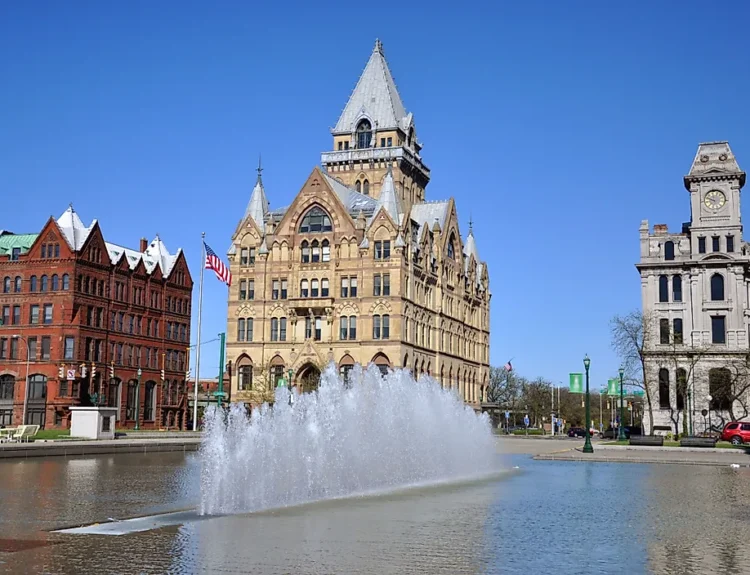
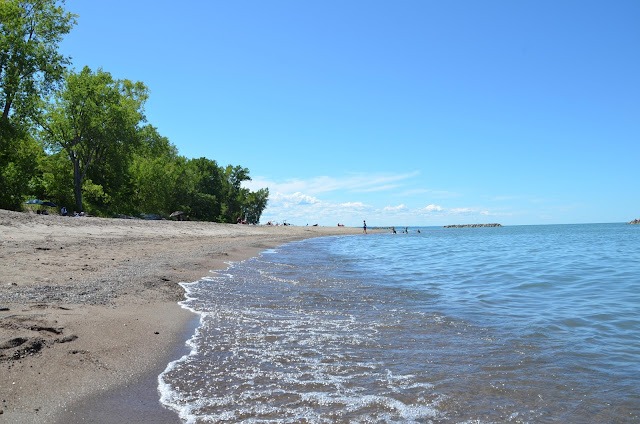
A lake view can fool people because it feels expensive before anyone checks the numbers. In Erie, Pennsylvania, waterfront properties still sit in a strange pocket of the American housing map: they offer Great Lakes scale, city services, beaches, marinas, and a working harbor, yet buyers often price the area like an old industrial stop instead of a lifestyle market. That gap is the whole story. Erie is not cheap because the water is weak. It is cheap because national attention moved elsewhere first. For buyers reading regional property coverage and trying to spot value before a market becomes obvious, Erie real estate deserves a closer look. The city has real trade-offs, including winter wind, older housing stock, and block-by-block quality shifts. Still, compared with higher-profile lakeside markets, the buy-in can feel unusually grounded. You are not buying a postcard. You are buying access, patience, and a market that has not yet learned to brag.
Why Erie Still Trades Like a Hidden Lake Market
Erie’s discount begins with a reputation problem. Many outside buyers hear “Rust Belt” before they hear “Lake Erie,” and that order matters. It makes them slow to notice the shoreline, the marina culture, the short drive to Presque Isle, and the steady daily life that sits behind the tourist photos. Erie real estate is not a secret to locals, but it remains underpriced in the minds of many buyers who compare lake access across the USA.
The city also sits in an odd mental category. It is not a sleepy cottage village, and it is not a luxury resort. It has hospitals, colleges, factories, insurance offices, minor league games, old neighborhoods, and a lakefront that still feels tied to work as well as play. That mixed identity keeps some luxury buyers away. For value hunters, that same mix can be the point.
The price gap starts with old perception, not weak shoreline
The strange part is that Erie has the kind of water many buyers say they want. Lake Erie is not a pond with a few docks and a summer-only mood. It is a Great Lake, with storms, sunsets, commercial ships, charter fishing, beaches, and open horizon. That scale gives Lake Erie homes a feeling that smaller inland lake houses cannot fully copy.
Yet perception lags. A buyer from Pittsburgh may know Lake Tahoe from vacation ads, Traverse City from wine trips, or the Finger Lakes from weekend rentals. Erie often enters the conversation later, even though it sits within driving range of Pittsburgh, Cleveland, Buffalo, and parts of western New York. That delay can create room for value.
One counterintuitive point matters here: a market can be underpriced even when its best homes are not “cheap.” The question is not whether every lake-facing house is a bargain. The question is whether the lifestyle, location, and scarcity are being priced with the same respect they receive in louder lake towns. In Erie, the answer often feels like no.
A smart buyer should also notice who is not bidding. If a market has fewer cash-heavy vacation buyers from coastal cities, prices may stay closer to what residents can support. That can make appreciation slower, but it can also reduce the froth that turns a nice lake purchase into a risky one. Erie’s quieter demand may be a weakness on paper and a strength in practice.
Presque Isle changes the daily value math
Presque Isle is the asset many spreadsheets fail to price. Pennsylvania calls it the state’s only seashore, and locals treat it as a year-round release valve for walking, swimming, boating, fishing, cycling, and clearing the mind. The official park page describes the peninsula as four miles west of downtown Erie and notes that it creates Presque Isle Bay, a wide harbor for the city. That matters to property buyers because a public landmark can make a whole area feel richer without every owner needing private beach frontage.
This is where Erie breaks the usual rule. In many resort towns, the best lifestyle is locked behind private access, gated roads, and expensive association fees. In Erie, a buyer in the right pocket can live near public water, public beaches, downtown services, and daily errands without paying the full resort premium. That is not a small thing.
For someone studying affordable Northeast housing markets, the lesson is simple: do not measure Erie only by private shoreline. Measure it by usable water. A home five or ten minutes from Presque Isle can deliver more daily pleasure than a pricier house on a quieter lake where every errand takes half an hour.
Picture a family visiting for a long weekend. One person wants the beach. Another wants a bike ride. Someone else wants coffee, a ballgame, or a grocery run. Erie can handle that mix without turning the whole day into a drive. That ease has value, even when it does not show up cleanly in a listing description.
Where Erie Pennsylvania Lake Erie Waterfront Properties Find Their Real Discount
The best Erie deals are not always the homes that shout the loudest in listing photos. The discount often hides in the difference between direct frontage, bay views, near-water neighborhoods, and homes that connect easily to the lake without sitting on it. That is where buyers need patience. A house can be close to the water and still have weak value if the layout, parking, maintenance, or street feel is wrong. Another can sit a few blocks back and live better every week.
The Erie buyer has to think in layers. First comes the water itself. Then the route to it. Then the street, the structure, the winter plan, and the long-term use. A lower price can tempt you to skip that order. Do not. Erie rewards buyers who separate a pretty angle from a strong property.
Bayfront condos and homes solve different buyer problems
A bayfront condo can make sense for a buyer who wants a lock-and-leave lifestyle. Think of someone from Pittsburgh who wants summer weekends, winter views, and no yard to battle after a storm. That buyer may care more about elevators, parking, walkability, and building reserves than a patch of private grass near the water. In that case, a condo near the bay can beat a larger house that demands constant upkeep.
A single-family home answers a different need. It gives space for dogs, boats, tools, visiting family, and long stays. It may also bring older plumbing, roof worries, and heating bills that a buyer from a warmer market might misjudge. That friction is part of the value test, not a side note.
Lake Erie homes should be judged by use pattern first. Will you live there full time? Visit twice a month? Rent it seasonally where rules allow? Host family all summer? The same address can be smart for one buyer and wrong for another. Erie rewards the person who knows the job the house must do.
The condo buyer should read meeting minutes and reserve studies. The house buyer should read the basement. Both are trying to answer the same question: is the view supported by a sound ownership structure? A shiny lobby and a fresh kitchen can distract from that question if you let them.
Harbor views can beat private shoreline for some owners
Private frontage sounds like the dream, but it can bring headaches. Shoreline exposure, maintenance, stairs, ice, and erosion concerns can turn a romantic listing into a demanding ownership plan. A protected harbor view, a short route to a marina, or a bluff setting with better drainage may give more comfort over time.
That is the non-obvious discount in Erie: the market sometimes gives too much praise to direct water contact and not enough to practical access. A buyer who is honest about daily life may choose a view, a dock nearby, and a stable street over a house that sits closer to wave action. Less drama can be worth more.
This is also why a buyer should walk the area at different times. See State Street on a summer evening. Watch traffic near the Bayfront Parkway. Visit Dobbins Landing, then drive west toward Presque Isle and east toward Lawrence Park or Harborcreek. The map makes everything look simple. The street teaches the truth.
Harbor life has another advantage: it can feel active without feeling crowded. Boats move. Lights change. Weather rolls across the bay. A buyer who wants motion may enjoy that more than a silent stretch of private shore. That sounds small until you live with the view for a year.
What Buyers Should Study Before Trusting the Bargain
A lower buy-in does not remove risk. It changes the kind of risk you must inspect. Erie’s value comes with weather, older structures, local rule differences, and a housing stock that can vary from charming to tired within a few blocks. That does not make the market bad. It means the best buyer is careful rather than dazzled by the lake.
The right mindset is practical optimism. Assume the water has value. Assume the house has secrets. Then investigate both. A buyer who holds those two ideas together can move faster than a dreamer and safer than a skeptic.
How winter, wind, and erosion change ownership costs
Lake Erie weather has a personality. Wind can push hard across open water. Snow can arrive with lake-effect force. Freeze-thaw cycles can test roofs, masonry, decks, driveways, and older windows. A house that looks peaceful in July may reveal its real cost in February.
This is why inspections need to go beyond the standard checklist. Look at drainage, gutters, basement moisture, siding condition, retaining walls, exterior stairs, and how the home handles wind. Ask about ice buildup. Ask how often the driveway needs clearing. Ask what the seller spent on heat, not only what the taxes show.
The counterintuitive move is to admire boring improvements. New flashing, sound windows, a dry basement, a practical mudroom, and a clean mechanical room may matter more than a stylish kitchen. Many buyers chase the room that photographs best. In Erie, the house that survives winter best may be the better deal.
Ask for service records when you can. Furnace age, roof age, masonry repairs, storm damage, and basement work tell you how the house has handled the climate. A seller who kept records is giving you more than paperwork. They are giving you a pattern.
Why local zoning and flood review matter more than finishes
A buyer who skips local review is taking a blind swing. Some homes near the water may face floodplain questions, shoreline limits, short-term rental rules, historic district concerns, or permit issues tied to decks, docks, or exterior changes. None of that should scare a serious buyer away. It should slow the process down.
Start with the municipality, then confirm what the listing claims. City of Erie rules may differ from Millcreek, Harborcreek, Fairview, Lawrence Park, or North East. A home’s mailing address does not always tell you how it behaves for taxes, permits, schools, or rental use. That detail can decide whether a property fits your plan.
The second-home buying checklist should include insurance quotes early, not at the closing table. It should include contractor availability, too. In smaller markets, getting the right roofer, mason, or dock specialist can take longer than expected. A bargain that needs fast work is only a bargain if help is available.
Do not let fresh paint outrank legal use. A house that cannot support your rental plan, dock plan, parking needs, or renovation goal may be wrong no matter how good the living room looks. In Erie, the best due diligence often happens before the inspection, when you call the township, read the map, and ask plain questions.
How Erie Compares With Better-Known Lakeside Markets
Erie should not be compared only by median price or postcard beauty. That is too thin. Better-known lake towns often carry a fame premium, and fame can distort buyer judgment. Erie’s edge comes from a different bargain: a real lake city with public access, lower carrying costs in many cases, and enough grit to keep prices from floating too far above local wages.
That does not mean Erie will beat every market on appreciation. It means the value case is cleaner than outsiders expect. In famous areas, you may pay today for growth that already happened. In Erie, the bet is more modest: buy a usable asset in a region where the water is known, but the story is still under-told.
Why prestige can make buyers overpay elsewhere
Some lake regions sell status first and water second. Lake Tahoe has global name power. Traverse City has food, wine, and vacation polish. Parts of the Finger Lakes carry vineyard romance. Lake Geneva has a long luxury history near Chicago. Those places may be wonderful, but their reputations pull buyers in before the spreadsheet has a chance to argue back.
That is how people overpay. They price the story, not the Tuesday morning. They imagine guests, sunsets, and resale demand, then ignore taxes, upkeep, traffic, and the fact that everyone else wants the same view. In crowded lake towns, the premium is often paid upfront.
Erie asks a different question. What if the better value is not the place your friends already know? What if the smarter buy is a city that still has hospitals, universities, a harbor, beaches, restaurants, sports, and regional employers, but lacks the glossy vacation label? That is where the gap opens.
A buyer should also compare stress. In some resort areas, the price forces every decision to perform. You need rental income, peak resale timing, or constant guest use to justify the cost. Erie can allow a calmer ownership plan because the initial number may leave more room for repairs, vacancies, or a slower resale path.
What an Erie buyer gets for accepting less hype
Accepting less hype does not mean accepting less life. A buyer can spend a Saturday at Presque Isle, catch dinner near the bayfront, watch boats move through the harbor, and still live in a place where normal wages have not lost all connection to normal homes. The U.S. Census QuickFacts for Erie shows a median owner-occupied housing value far below what buyers expect in many lake regions, which helps explain why the area keeps attracting value hunters.
There is a trade. Erie will not feel like a polished resort every day. Some blocks need reinvestment. Some homes need hard repairs. Winter is not a decorative season. Buyers who need luxury cues at every turn may not understand the place.
But the buyer who sees through that can find a rare mix: Great Lakes access, urban bones, public recreation, and an entry price that still leaves room for repairs or long-term holding. Among lakeside markets, that combination is getting harder to find.
The strongest Erie purchase may be the one that feels almost too plain at first. Good roof. Dry lower level. Sensible street. Short drive to the bay. Manageable taxes. That kind of property does not always win the photo contest, but it can win the ownership contest.
Conclusion
Erie is not the easy answer for every lake buyer, and that is part of its appeal. The city asks you to look past old labels, study the street, price the repairs, and decide whether daily water access matters more than social proof. Buyers who need a flawless resort brand may pass. Buyers who want space, access, and long-term optionality should slow down here. The case for waterfront properties in Erie rests on that mismatch between what the area offers and how quietly it is still priced. The lake is real. The harbor is real. The public beaches are real. The risk is real, too, which is why careful due diligence matters. But in a country where many lake towns now feel fully discovered, Erie still gives patient buyers a chance to act before the story becomes common. Walk the bayfront, drive the neighborhoods, price the winter work, and judge the value with your own eyes.
Frequently Asked Questions
Is Erie, Pennsylvania a good place to buy a lake home?
Yes, for buyers who want Great Lakes access without paying the premium tied to famous resort towns. The best fit is someone who accepts winter weather, studies neighborhood quality, and values public recreation near Presque Isle as much as private shoreline.
Are Lake Erie homes in Erie cheaper than homes in other lake towns?
Often, the entry point is lower than in better-known lake regions, though prime homes still command stronger prices. The bigger advantage is value per lifestyle dollar: beaches, boating, city services, and regional access can cost less than in more famous lake destinations.
What should buyers inspect before purchasing near Lake Erie?
Focus on drainage, roof condition, basement moisture, siding, windows, heating costs, retaining walls, and exposure to wind. A normal inspection may not be enough. Lake-area ownership needs a closer look at weather wear and long-term exterior maintenance.
Is Erie better for full-time living or a second home?
It can work for both, but the right property type changes. Full-time residents may want schools, commute routes, and winter comfort. Second-home buyers may care more about parking, low maintenance, marina access, and how easily family can visit.
Which Erie areas should lake-focused buyers compare?
Buyers often compare the bayfront, Millcreek near Presque Isle, Lawrence Park, Harborcreek, Fairview, and North East. Each offers a different mix of views, access, taxes, housing age, and daily convenience. Walk the streets before trusting map distance.
Can Erie lake homes work as rentals?
Some can, but rules vary by municipality, building, and neighborhood. Never assume short-term rental use is allowed. Confirm zoning, permits, association rules, insurance, parking, and local enforcement before building a rental-income plan into your offer.
Why has Erie stayed less expensive than famous lake markets?
Old industrial perceptions, colder winters, lower national visibility, and uneven housing stock have held prices down. Those same factors can create opportunity when a buyer separates image from actual lake access, services, and long-term livability.
What is the biggest mistake buyers make in Erie?
The biggest mistake is buying the view and ignoring the house. Lake access feels emotional, but repairs, weather exposure, drainage, taxes, and insurance decide whether the purchase stays affordable. A plain, solid home can beat a prettier problem.