Old reputations die slowly in real estate, and Stockton knows that better than most California cities. For years, buyers heard the city’s name and thought first about municipal failure, crime headlines, and broken budgets. That view is now too flat. Stockton’s bankruptcy recovery has created a different kind of market story, one built on lower entry prices, Bay Area pressure, port access, and a city government forced to live with more fiscal discipline than it once had. For investors, that does not mean easy money. It means a place worth studying before the crowd fully updates its opinion. A landlord, small developer, or local business owner looking for regional business visibility can now see Stockton as more than a distressed headline. The better question is sharper: where does the risk still sit, and where has the market already changed? The answer starts with the city’s painful reset, then moves into housing, jobs, and neighborhood-by-neighborhood patience.
Why Bankruptcy Recovery Changed the Risk Profile in Stockton
A city bankruptcy leaves a mark, but it also forces decisions that many healthier cities delay. Stockton had to confront spending, services, debt, labor costs, and public trust under national attention. That pressure did not make the city perfect. It did make the old “broken city” label less useful for anyone trying to read the market today.
Why the old headline no longer tells the whole story
The lazy version of Stockton’s story stops at the 2012 filing. That version misses what investors care about most: direction. A market does not need to be polished to be investable. It needs signs that risk is being priced better than the future may deserve.
Stockton exited Chapter 9 in 2015, which matters because the city moved from crisis management into long repair. That repair has been uneven. Public safety, infrastructure, and neighborhood confidence still vary by block. Still, a city that survives a fiscal shock often becomes more careful with big promises. That can be boring. Boring is sometimes good.
The counterintuitive point is that the bankruptcy itself may have scared away too much attention for too long. Many investors chase cities after the good news becomes obvious. Stockton gives you a different setup. You are not buying a postcard. You are studying a city where the discount may partly come from an outdated memory.
What local fiscal discipline means for investors
City finances affect private returns more than new investors expect. Slow permit offices, weak code enforcement, poor streets, and thin public services all show up in rent, vacancy, insurance, and resale value. The public balance sheet becomes a private cost.
That is why Stockton’s budget posture matters. Recent local reporting on the city’s 2026 budget points to a much larger spending plan than the lean years after the bankruptcy, along with a reserve cushion that city leaders still watch closely. That is not a victory lap. It is a warning and a sign of maturity at the same time.
For a small investor, the lesson is practical. Do not treat Stockton like a cheap Bay Area suburb. Treat it like a recovering city with stronger habits, uneven services, and pockets where civic repair may add value. The best deals are not always the lowest-price homes. Often, they are ordinary properties near schools, job routes, retail corridors, and public investments that make daily life easier.
The Housing Math Behind Stockton’s New Investment Case
Stockton sits in a strange California lane. It is not cheap in a national sense, yet it is often far less expensive than many coastal job centers. That gap creates tension. Local wages have limits, but outside buyers and commuters keep looking inland when Bay Area prices shut the door.
Why Bay Area spillover keeps demand alive
The Stockton real estate market benefits from a simple frustration: many California households still want ownership, space, and access to jobs, but they cannot make the math work closer to San Francisco, San Jose, or Oakland. Stockton becomes part of the backup plan. Then, for some families, the backup plan becomes the main plan.
A buyer who works hybrid in the Bay Area may accept a longer commute if the home has another bedroom, a yard, and a mortgage that does not swallow the household. That does not make Stockton immune to high interest rates. It does create a demand base that is deeper than local income alone would suggest.
The non-obvious piece is that long commute markets can hold demand even when buyers complain about the commute. People often dislike the tradeoff and still choose it. A 31-minute average commute figure from the U.S. Census Bureau QuickFacts only tells part of the story, because some households are making regional choices rather than local ones. California housing demand keeps pushing people into imperfect options.
Where rental demand can beat resale hype
Resale appreciation gets the attention, but rent stability may be the cleaner play in Stockton. Families priced out of ownership still need schools, parking, safe streets, and access to work. A plain three-bedroom house in the right pocket can perform better than a flashy remodel in the wrong one.
This is where investors should slow down. The Stockton real estate market is not one market. Brookside, downtown, older east-side blocks, lake-adjacent areas, and newer edge neighborhoods can behave in different ways. A rent estimate pulled from a website is not enough. Walk the block at school pickup time. Check the alley. Look at nearby rentals. Call property managers who handle evictions, not only listings.
For deeper planning, a buyer should pair market reading with a rental property due diligence checklist. Stockton can reward discipline, but it punishes guesswork. The spread between a good tenant base and a problem property can erase the bargain that looked so attractive on paper.
Jobs, Logistics, and Downtown Momentum Are Repricing the Story
Housing demand does not last without income, access, and reasons to stay. Stockton’s investment case improves when you stop viewing it only as a bedroom city. Its location in San Joaquin County, port activity, rail links, highways, agriculture, health care, education, and warehouse uses give the city more than one economic lane.
How port access and location support Central Valley investment
Stockton’s inland port is one of the city’s strongest real-world assets. It connects the city to freight, agriculture, construction materials, and industrial users that need space without coastal pricing. That gives Stockton a practical edge many prettier cities do not have.
Central Valley investment often works because land, labor, and transportation meet in the same place. Stockton sits near Interstate 5 and Highway 99, with access north toward Sacramento, west toward the Bay Area, and south through the valley. Those routes matter for employers. They also matter for renters who need reachable jobs.
A small warehouse owner, service business, or contractor does not choose Stockton because it wins a beauty contest. They choose it because the map works. That is the quiet force behind many recovering markets. Jobs do not always arrive in shiny towers. Sometimes they arrive in loading bays, clinic expansions, school payrolls, repair shops, and distribution yards.
Why downtown still needs patient capital
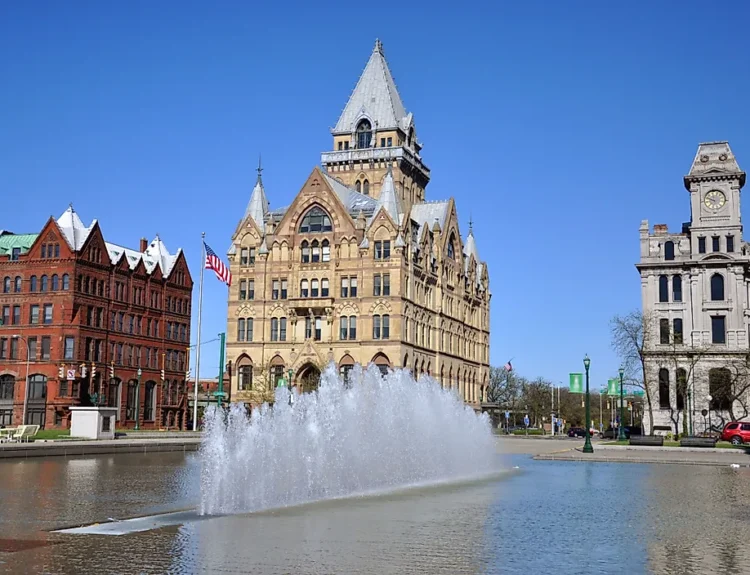
Downtown Stockton may be the most tempting and most frustrating part of the city. It has waterfront character, old buildings, civic anchors, entertainment venues, and streets that could support more foot traffic. It also has the normal problems of a center that has spent decades fighting vacancy, safety concerns, and weak evening activity.
The mistake is to read downtown as either doomed or guaranteed. Neither view helps. Patient capital asks better questions. Which blocks have daily users? Which buildings can be adapted without swallowing the budget? Which tenants serve residents rather than chasing a trend?
A coffee shop near offices needs a different demand base than a small apartment building near transit. A mixed-use property may look cheap until roof work, insurance, security, and tenant improvements arrive at the same time. For anyone studying California real estate investment trends, Stockton is a reminder that timing matters. Buy too early on a weak block, and patience turns into carrying cost. Buy after the street already works, and the discount may be gone.
How Investors Should Read the Opportunity Without Getting Carried Away
A recovering city can make people careless. The story sounds exciting, the prices look better than coastal California, and the upside feels easy to explain. That is exactly when investors need a colder process. Stockton can be a strong opportunity, but not for buyers who treat every low price as value.
What to check before buying in the Stockton real estate market
Start with the property, then widen the circle. Roof age, foundation condition, HVAC life, sewer line risk, electrical panels, pest issues, and drainage all matter. Older Central Valley homes can carry repair costs that do not show up in photos. A cheap purchase can become an expensive education.
Next, study the rent reality. Ask what a qualified tenant will pay, not what a spreadsheet needs. Compare nearby listings, but also check how long they sit. A house renting at the top of the market may need better finishes, stronger management, or a lower vacancy assumption than you first planned.
Then look at local friction. Insurance pricing, code requirements, crime patterns, school boundaries, and commute routes can change the return. This is where California housing demand can mislead new buyers. Demand can be strong across a region while one block still struggles. The smart investor does not buy the region. The smart investor buys the block.
Which investment plays fit the city’s next chapter
The clearest Stockton plays are not always dramatic. Long-term rentals, small multifamily, practical rehabs, owner-occupied house hacking, and service-business real estate may fit the city better than luxury flips. The buyer base still cares about monthly payment first. Renters still care about safety, parking, and repairs done on time.
Central Valley investment also favors operators who respect local life. Stockton is not a spreadsheet suburb. It is a working city with families, students, port workers, public employees, tradespeople, commuters, and small business owners. If your plan improves a property without pricing out every normal household, you may find steadier demand.
The surprise is that modest projects may carry the best risk-adjusted upside. A clean duplex with boring tenants can beat a high-design flip if the market gets softer. A small commercial building with a local tenant can beat an empty downtown dream if the lease is real. Stockton’s next chapter will reward people who can tell the difference between potential and proof.
Conclusion
Stockton is no longer the simple cautionary tale many outsiders still repeat. It is a city with scars, stronger fiscal habits, regional housing pressure, working-class demand, and location advantages that deserve a fresh look. That mix does not erase risk. It makes the risk more readable. The city’s bankruptcy recovery matters because it changed the starting point for every serious investor question: not “Is Stockton broken?” but “Which parts of Stockton are repairing faster than the market admits?” The best opportunities will likely sit in that gap. Buyers should study budgets, streets, tenant demand, and local jobs with the same care they give purchase price. Stockton does not need hype. It needs patient operators who understand value before it becomes obvious. Start there, and the city becomes less of a warning label and more of a disciplined investment case.
Frequently Asked Questions
Is Stockton California a good place to invest in real estate?
Yes, but only with careful block-level research. Stockton offers relative affordability, rental demand, and regional access, but property condition, tenant quality, insurance, and neighborhood differences can change the return fast. It suits patient investors better than short-term speculators.
Why did Stockton file for bankruptcy?
The city faced heavy long-term obligations, falling revenue after the housing crash, public service pressure, and budget stress that became too large to manage outside court protection. The filing forced Stockton to reset its finances and rebuild public trust over time.
How has Stockton changed since leaving bankruptcy?
Stockton has moved from crisis repair into a more normal budget cycle, with larger public spending plans, reserve targets, and renewed economic development work. Problems remain, but the city is no longer operating under the same emergency cloud that shaped its earlier image.
What makes Stockton attractive to Bay Area buyers?
Lower home prices, larger homes, yard space, and regional highway access make Stockton appealing to households priced out of coastal markets. Some buyers accept longer commutes because the housing tradeoff gives them more room and a more workable monthly payment.
Is the Stockton rental market strong?
Rental demand can be strong in the right neighborhoods, especially for clean single-family homes and small multifamily properties. Strength depends on school access, commute routes, safety, parking, and management. A low purchase price alone does not prove a good rental.
Which Stockton neighborhoods are best for investors?
The best area depends on the strategy. Some investors prefer stable family neighborhoods, while others study downtown or older homes with repair upside. Instead of chasing a single “best” area, compare rents, crime patterns, school zones, and nearby job access.
What risks should Stockton real estate investors watch?
Key risks include deferred maintenance, tenant turnover, insurance costs, local crime differences, older infrastructure, and overpaying based on Bay Area spillover assumptions. Investors should inspect deeply, verify rents, and avoid treating citywide growth as proof every block will improve.
Can small investors still find opportunities in Stockton?
Yes. Small investors may have an edge because many worthwhile deals are ordinary, not flashy. A well-bought duplex, modest rehab, or clean long-term rental can work when the buyer understands local demand and keeps repair costs under control.