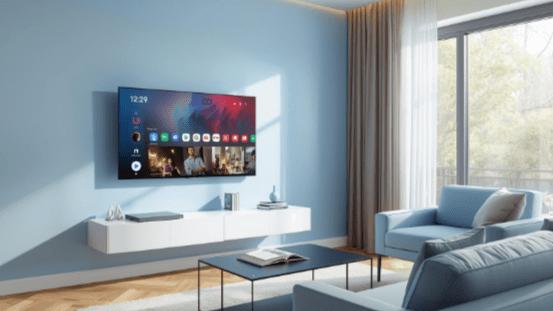

A home can look perfect on paper and still feel wrong the moment the street wakes up. The real test begins after the viewing, when traffic thickens, neighbors return, dogs start barking, and the area shows its true rhythm. Choosing a peaceful area is not about chasing silence like a luxury item; it is about finding a place where your daily life can settle without constant friction. A smart buyer studies the surroundings as closely as the house itself, because walls can be repaired faster than a stressful location can be forgiven. For wider property awareness, local market updates, and housing-related insights, resources such as real estate news platforms can help you stay alert before making a serious move.
Peace at home comes from patterns. A calm street at noon may turn loud by evening. A tidy lane may hide parking fights every weekend. A polished entrance may sit beside a road that never sleeps. The goal is to read the area like someone who plans to live there, not someone trying to win a quick viewing slot. Good home living starts when the place around your front door supports the life you want inside it.
Read the Daily Rhythm Before You Trust the First Impression
A neighborhood has moods, and the mood you see during a property visit may be its most flattering one. Agents often show homes when light is good, streets are open, and people are away at work. That does not make the area bad, but it does mean your first impression is incomplete. You need to watch how the place behaves when ordinary life returns.
Visit at Different Times to Spot a Quiet Neighborhood
A quiet neighborhood reveals itself through repetition, not one lucky visit. Go in the morning, late afternoon, after dinner, and on a weekend if you can. The same street can feel gentle at 11 a.m. and restless at 8 p.m. when bikes, cars, deliveries, children, and guests all arrive together.
Pay attention to small sounds that become large when repeated every day. A school nearby may bring traffic twice daily. A shop on the corner may attract honking, double parking, and late-night customers. A house with frequent gatherings may not bother you once, but over months, the pattern can wear down your patience.
The counterintuitive part is that some visible activity is good. A street with people walking, neighbors greeting each other, and families using the area often feels safer than a dead lane with no eyes on it. Silence is not always peace. Sometimes it is isolation wearing a neat shirt.
A quiet neighborhood should feel lived-in without feeling invaded. You want signs of ordinary life, not constant disruption. The best test is simple: stand outside for ten minutes and ask whether your body relaxes or starts preparing to leave.
Check How Movement Shapes a Low Noise Area
Noise rarely comes from one source alone. It usually builds from movement: cars cutting through, delivery riders using shortcuts, buses stopping nearby, or construction vehicles passing through narrow lanes. A low noise area is often designed by traffic flow before anyone markets it as calm.
Look at the street layout with a practical eye. Dead-end roads, inner lanes, and streets away from shortcut routes often carry less through-traffic. Wide roads can feel open, but they may invite faster driving. Narrow roads can feel cozy, but they may create horn-heavy bottlenecks when two vehicles meet.
A buyer once told me he rejected a beautiful house because every delivery rider used the lane to avoid a main road signal. The property had marble floors, fresh paint, and a clean roofline. None of that mattered after he stood outside at sunset and heard the same burst of engines every few minutes.
A low noise area does not need to be silent. It needs noise that makes sense, fades quickly, and does not follow you from breakfast to bedtime. That distinction matters because daily irritation often comes from sounds you cannot predict or control.
Choose a Peaceful Area by Studying Safety, Social Behavior, and Boundaries
Calm is not only about volume. A place can be physically quiet but emotionally tense if neighbors fight over parking, strangers gather near empty plots, or residents do not respect shared space. Real peace comes when safety, manners, and boundaries work together. This is where careful observation beats glossy property talk.
Look for Signs of a Safe Community
A safe community does not announce itself with one guard at the gate. It shows up in ordinary details: working streetlights, maintained sidewalks, visible house numbers, clean corners, and residents who seem comfortable moving around. These signs tell you people care enough to notice when something feels off.
Speak to someone who has no reason to sell you the home. A nearby shopkeeper, security guard, delivery rider, or long-time resident can tell you more in three minutes than a polished brochure can tell you in ten pages. Ask about power issues, late-night activity, parking problems, and how residents handle disputes.
The sharp truth is that expensive areas can still feel uneasy. High walls and large gates may protect individual homes, but they do not always create trust between neighbors. A safe community depends on shared attention, not only private security.
You should also watch how people use public space. Are children playing without adults looking anxious? Do residents walk in the evening? Are women and older people visible outside? These details matter because comfort in public space often reflects the deeper health of the area.
Notice Whether a Family-Friendly Location Respects Boundaries
A family-friendly location is not the same as a noisy children’s zone. Good family areas allow daily life to happen without letting one household’s routine swallow everyone else’s peace. That balance separates a warm neighborhood from a chaotic one.
Watch how residents handle shared limits. Do cars block gates? Do people leave trash outside someone else’s wall? Do guests park wherever they like? These habits may look small during a visit, but they reveal how the area treats boundaries when nobody is supervising.
Some buyers focus only on whether there are schools, parks, and shops nearby. Those things matter, but they do not guarantee good living. A family-friendly location also needs clean access, respectful neighbors, safe walking paths, and a rhythm that does not punish people who work from home, care for elders, or need early nights.
Boundaries are the hidden architecture of peace. When people respect them, the area feels lighter. When they ignore them, even a wide road and a big house can start to feel cramped.
Measure Convenience Without Letting It Steal Your Calm
Convenience can be seductive. A home close to markets, schools, clinics, and transport saves time every week. Yet the same access can bring noise, traffic, strangers, and pressure to your doorstep. The art is not to avoid convenience; it is to keep it close enough to serve you and far enough not to dominate you.
Keep Essential Places Near, Not on Top of You
A good home should not make every errand feel like a project. Groceries, medicine, transport, and basic services should sit within easy reach. Still, living directly beside these places can turn your home into part of the crowd.
The sweet spot is often a short walk or a two-minute drive away from busy streets. You get the benefit without absorbing every horn, queue, and argument. A corner shop two streets over can be useful. A cluster of shops under your bedroom window can become a daily tax on your patience.
One overlooked trick is to map your routine before judging the area. Think about school runs, office travel, prayer times, gym visits, late-night medicine needs, and weekend guests. The right location supports the routine you live, not the routine you wish you had.
Convenience should feel like help, not pressure. When access starts pulling noise and strangers into your doorstep, the bargain turns expensive in a way no calculator shows.
Test Parking, Access, and Street Discipline
Parking tells the truth about a neighborhood faster than paint or landscaping. A street where every resident fights for space will never feel fully calm. The tension may not appear during a viewing, but it will show up on holidays, rainy evenings, and late returns from work.
Look for blocked driveways, cars parked on corners, and vehicles sitting half on sidewalks. These signs point to weak street discipline. They also suggest that future conversations with neighbors may start with irritation rather than goodwill.
Access matters for daily comfort too. A narrow lane may feel charming until guests arrive, movers come, or an emergency vehicle needs room. A wider approach can reduce stress, but only if residents use it sensibly. Space without discipline still becomes clutter.
A calm street has a rhythm people understand. Cars have places to go. Guests know where to park. Residents do not treat public space as private storage. That kind of order may sound boring, but boring is often what protects your peace.
Judge Long-Term Fit Before You Fall for the House
A property viewing can make you emotional. Fresh paint, bright rooms, and a good price can push you toward quick agreement. Long-term peace asks a harder question: will this area still suit you after the first excitement fades? The answer depends on growth, future construction, and how well the surroundings match your personal limits.
Study Future Development Around the Area
Empty land nearby deserves attention. It may become a park, a school, a commercial plaza, apartments, or years of construction dust. Before you commit, ask around and check local planning clues where possible. A peaceful street can change fast when development arrives without warning.
Look at roads being widened, plots being cleared, and new commercial signs appearing nearby. These early signals can tell you where the area is heading. Growth can increase property value, but it can also bring traffic, noise, and a different social mix.
The unexpected insight is that underdeveloped calm can be fragile. A lane may feel restful today because half the plots are empty. Once those plots fill, the sound, parking load, and daily movement can double. Peace built on emptiness is not the same as peace built on good planning.
You do not need to fear development. You need to understand it. A stable residential pocket with controlled growth often gives you better home living than a raw area that feels calm only because its future has not arrived yet.
Match the Area to Your Personal Noise Limit
People have different limits, and pretending otherwise leads to regret. Some can sleep through traffic. Others lose focus when a motorbike passes every few minutes. Some love children playing outside. Others need their evenings soft and still.
Be honest before you buy. If you work from home, care for a baby, live with older parents, study late, or recover from stressful workdays, your tolerance may be lower than someone who spends most of the day outside. The right area should match your nervous system, not someone else’s idea of a good deal.
A peaceful area is personal, but it is not random. You can test it by spending time there without the agent, sitting in your parked car, walking the lane, and listening from different corners. Your body often notices strain before your mind admits it.
The final decision should not come from fear, either. No neighborhood is perfect. The aim is to choose a place where the flaws are acceptable, predictable, and unlikely to control your daily mood.
Conclusion
The smartest home choice begins outside the front door. Rooms, finishes, and layouts matter, but the area decides how your life feels before you even turn the key. A beautiful house in the wrong setting becomes a private shelter from public stress, and that is not the kind of home most people dream about.
Choosing a peaceful area requires patience, repeat visits, honest listening, and a willingness to walk away from a property that looks good but feels wrong. Study the street at different hours. Talk to people who already live there. Notice parking, noise, safety, and future development before you let emotion take over.
Your next step is simple: before making an offer, visit the area at least three different times and write down what you hear, see, and feel each time. A calm life is not found by accident; it is chosen with open eyes.
Frequently Asked Questions
How do I know if an area is peaceful for home living?
Visit at different hours, especially evenings and weekends. Listen for traffic, gatherings, construction, and street activity. A calm area should feel steady across time, not peaceful only during one viewing slot.
What makes a quiet neighborhood better for families?
Lower traffic, safer walking space, respectful neighbors, and predictable routines make daily family life easier. Children can play, elders can rest, and parents can manage normal schedules without constant outside stress.
How can I check if a safe community is truly safe?
Talk to residents, shopkeepers, and guards nearby. Look for working lights, active homes, clean surroundings, and people walking comfortably. Safety feels stronger when residents notice and care about shared spaces.
Is a low noise area always better than a central location?
Not always. A central location may save travel time, but it can bring traffic and crowding. The better choice depends on your routine, work hours, family needs, and how much daily noise you can handle.
What should I observe during a home area visit?
Watch traffic flow, parking habits, street cleanliness, lighting, neighbor behavior, nearby shops, and noise patterns. These details reveal how the area works in daily life, not only how it appears during a viewing.
Why does parking matter when choosing a home location?
Parking affects daily comfort and neighbor relationships. Streets with blocked gates, crowded corners, or careless parking often create tension. A calm home becomes harder to enjoy when every return starts with a space problem.
Can future development affect a peaceful residential area?
Yes. Empty plots, road expansion, new shops, or apartment projects can change traffic, noise, and privacy. Ask about planned development before buying so today’s calm does not become tomorrow’s regret.
What is the best time to visit an area before buying a home?
Visit once in the morning, once after work hours, and once on a weekend evening. These windows show school traffic, office returns, social activity, parking pressure, and the true sound of the area